Exploring Physiological Balance and Dietary Influences

A comprehensive educational resource on nutrition science, energy equilibrium, and how dietary patterns relate to body composition

Understanding Energy Equilibrium

The human body operates through fundamental principles of energy balance. This concept refers to the relationship between the energy we consume through food and the energy our body expends through metabolic processes and physical activity. Understanding these mechanisms forms the foundation of nutritional science.

Every living organism requires energy to maintain cellular function, regulate body temperature, support movement, and sustain organ function. The body processes nutrients from food to extract this energy, stored in chemical bonds and released as needed.

Multiple factors influence how the body manages and utilizes energy, including age, genetics, activity patterns, food composition, and metabolic rate. These interconnected systems work continuously to maintain physiological stability.

Investigate further
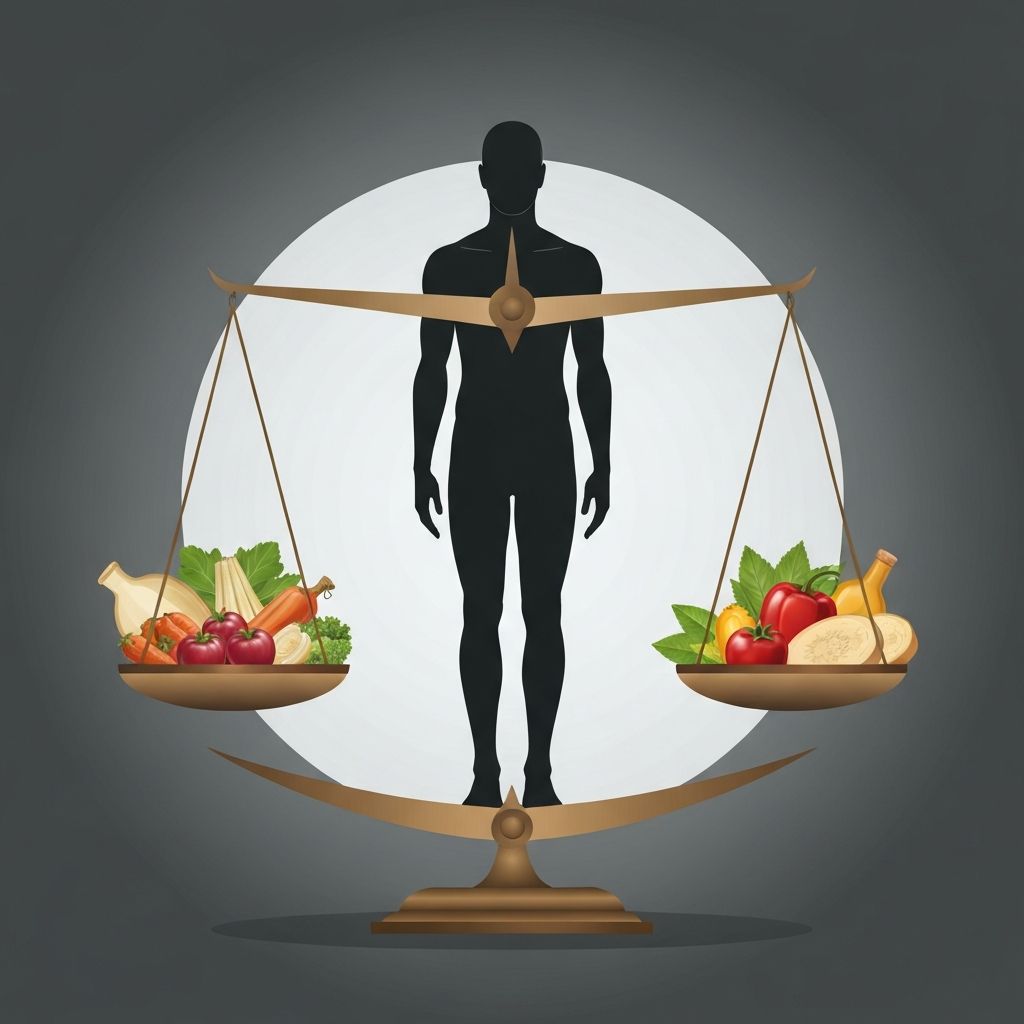

Energy equilibrium visualization

Key Dietary Components and Their Systemic Roles

Dietary components and nutrients

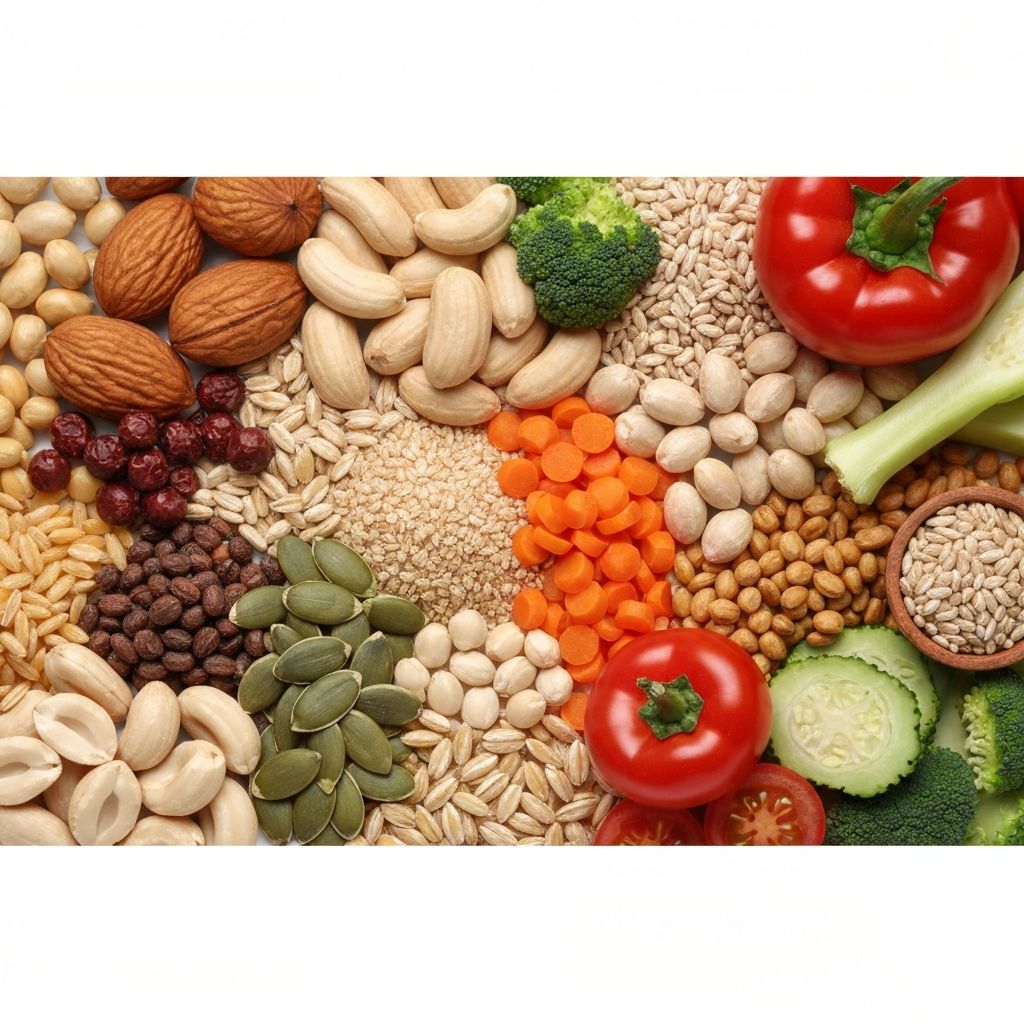
Food consists of various macronutrients and micronutrients, each serving distinct physiological functions within the body. These components support everything from structural integrity to enzymatic processes that enable life.

Macronutrients include proteins, carbohydrates, and fats. Proteins serve as building blocks for tissues and enzymes. Carbohydrates provide readily available energy for cellular processes. Fats function in hormone production, insulation, and nutrient absorption.

Micronutrients such as vitamins and minerals regulate countless biochemical reactions. They support immune function, bone formation, and metabolic processes despite being needed in smaller quantities than macronutrients.

The variety and balance of these nutrients consumed through diverse whole foods supports optimal physiological function.

Discover the principles

Routine Influences on Physiological Composition

Daily routines—including sleep patterns, physical activity, meal timing, and stress levels—influence how the body functions at a fundamental level. These lifestyle elements interact with genetic predisposition to shape long-term physiological characteristics.

Sleep deprivation affects hormonal balance, including those governing hunger and satiety. Regular movement strengthens muscles and cardiovascular function. Meal composition and timing influence energy availability and metabolic processes throughout the day. Stress impacts hormone secretion and nutrient absorption.

Understanding these relationships helps explain why people respond differently to similar environmental conditions. Individual variation reflects both genetic and behavioral factors working in complex interdependence.

Common Nutrition Myths Clarified

Nutrition science evolves as research deepens our understanding of how food and the body interact. Many widespread beliefs about diet persist despite being oversimplified or unsupported by evidence.

Myth: "All calories are identical regardless of source."
Reality: While energy content differs between food types, the body processes different foods through distinct metabolic pathways, affecting how that energy is utilized and stored.

Myth: "Certain foods have negative calories."
Reality: All foods contain measurable energy. While some foods require more energy to digest than others, the concept of negative caloric content is scientifically inaccurate.

Myth: "Skipping meals accelerates metabolic adaptation."
Reality: The body adapts to prolonged energy restriction through multiple mechanisms, but the relationship is complex and varies between individuals.

Explore related concepts
Nutrition science myths and facts

Featured Educational Articles

Explore in-depth explanations of key concepts in nutrition physiology and body composition science.

Energy balance science

The Science of Energy Balance in Humans

Comprehensive exploration of how the body manages energy intake, expenditure, and storage through interconnected physiological systems.

Read the detailed section
Macronutrient roles

Macronutrients: Physiological Purposes

Detailed examination of proteins, carbohydrates, and fats—their chemical structures, metabolic roles, and contributions to systemic function.

Read the detailed section
Movement and energy

Daily Movement Patterns and Energy Contribution

Overview of how various activity types affect energy expenditure, muscle physiology, and metabolic function throughout daily routines.

Read the detailed section

Frequently Asked Questions

What is meant by energy balance?

Energy balance refers to the relationship between the energy consumed through food and beverages and the energy expended through metabolic processes, physical activity, and thermoregulation. When these are equal, body weight remains stable. This is a foundational concept in understanding how dietary intake and physical activity relate to physiological changes.

How do different nutrients affect the body differently?

Each macronutrient and micronutrient performs distinct functions. Proteins rebuild and maintain tissues. Carbohydrates supply readily available energy. Fats support hormone production and nutrient absorption. Vitamins and minerals enable hundreds of enzymatic processes. While all provide energy or function in metabolic pathways, their specific physiological roles differ significantly.

Why do people respond differently to the same diet?

Genetic variation, existing metabolic adaptation, hormonal profiles, physical activity levels, sleep quality, stress management, age, and overall health status all influence how an individual's body responds to dietary changes. People are complex biological systems with unique characteristics, making generalized responses unlikely.

Does meal timing affect metabolism?

Meal timing influences circadian rhythms and hormonal secretion patterns. Some research suggests timing of nutrient intake relates to metabolic efficiency, though individual responses vary. This remains an active area of nutritional science with ongoing investigation into practical implications.

Is this site providing medical advice?

No. This is an educational resource presenting general scientific information about nutrition and physiology. It does not replace personalized medical consultation. Individuals with specific health concerns should consult qualified healthcare professionals.

Information Disclaimer

Educational content only. No medical services. No promises of outcomes.

The materials on this website are provided for general informational purposes only and represent objective scientific information about nutrition physiology. This content is not personalized medical advice, treatment recommendations, or diagnosis. Individual nutritional needs, health conditions, and responses to dietary changes vary significantly. Nothing on this site should be interpreted as a guarantee or promise of specific health outcomes. Individuals considering substantial dietary or lifestyle changes should consult qualified healthcare professionals who can assess personal health circumstances.